

A Short History of Spencer House
Ever since its creation for the First Lord and Lady Spencer between 1756 and 1766, Spencer House has been widely admired as one of the most beautiful houses in London. Here, successive generations of the Spencers made their home in the city during the months of the ‘Season’, hosting lavish entertainments, welcoming artists, politicians and royalty through its doors and adorning its rooms with magnificent works of art.
Due to various pressures, however, the fortunes of many landed families began to decline toward the end of the nineteenth century. The Spencers were forced to let Spencer House to a series of private tenants before moving out altogether in 1927 when the house was leased to the Ladies’ Army and Navy Club. Then began a period of decline during which the house suffered damage from enemy bombs and numerous adaptations to fit it for commercial use. Nonetheless, Spencer House survived and today is one of the last remaining examples of the grand eighteenth-century aristocratic townhouse.
The Spencers
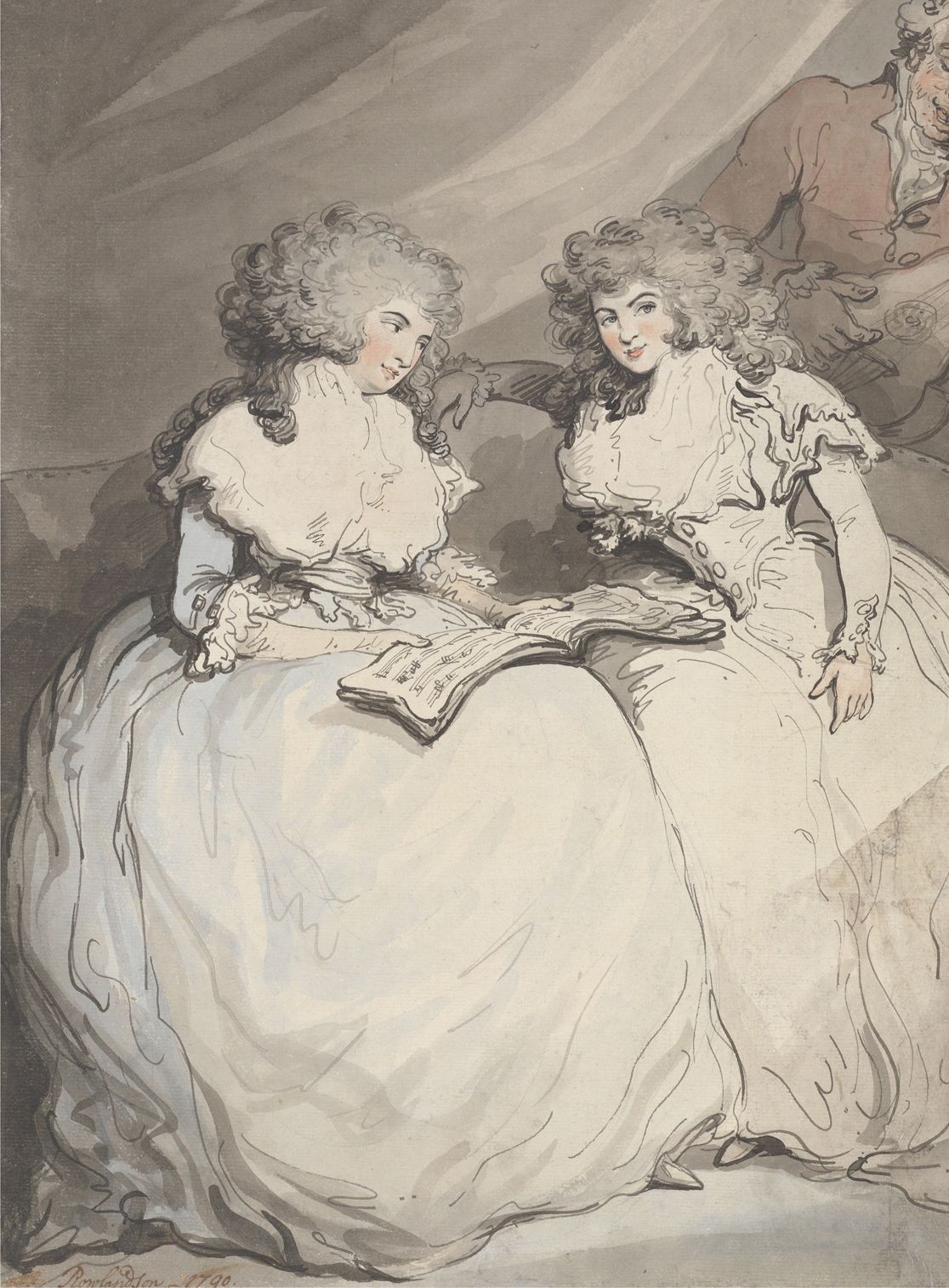
The Spencer family rose from relatively humble origins in the late 1400s and successfully navigated the turbulent politics of the following centuries to become one of the select group of aristocratic families at the very pinnacle of society. John Spencer, who built Spencer House, was the great grandson of the formidable Sarah, Duchess of Marlborough, whilst his daughter Georgiana achieved widespread fame as the charismatic Duchess of Devonshire.
The Restoration
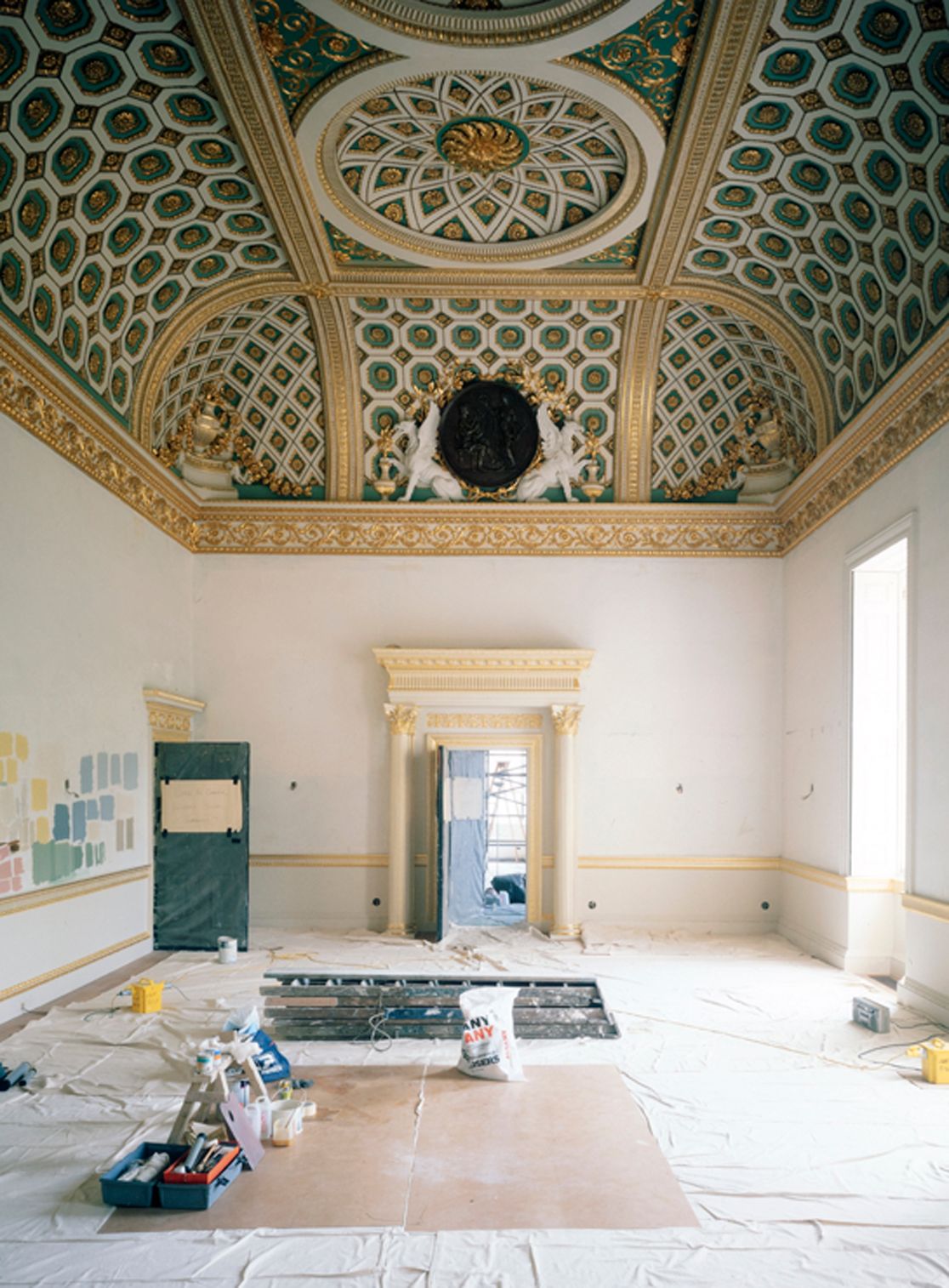
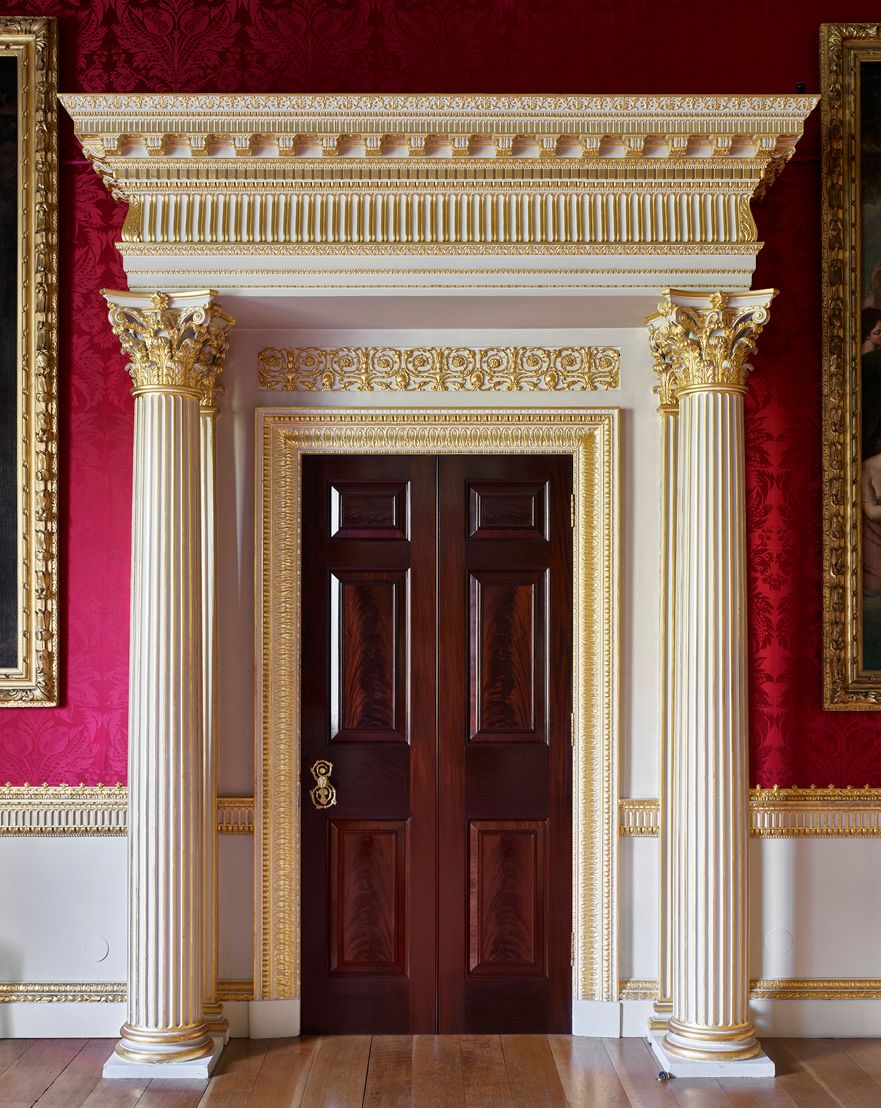
In 1985, following fifty years of commercial occupation and a series of unsympathetic adaptations, Spencer House was leased by RIT Capital Partners plc. Under the chairmanship of Jacob, 4th Lord Rothschild, a substantial team of architects, historians, designers and specialist craftspeople was assembled and an epic ten-year project began to restore the house, including its suite of important early neoclassical interiors, to its original eighteenth-century splendour.
As a result of the painstaking attention to detail and technical expertise employed, the restoration of Spencer House is still considered one of the most ambitious and significant projects of its kind from the late twentieth century.
Spencer House Timeline
1755
John Spencer acquires a lease on a plot in St James’s Place in the Autumn. On 20th December he marries Georgiana Poyntz at Althorp House, the day after his 21st birthday.
1756
Construction of Spencer House begins in the Spring.
1759
The exterior of the house and decoration of the ground floor State Rooms is complete. John Vardy is replaced as architect by James ‘Athenian’ Stuart to complete the decoration of the first floor State Rooms.
1766
Work on Spencer House is complete.
1788
The Second Earl Spencer appoints the architect Henry Holland to carry out alterations to the ground floor, including connecting the Ante Room and Library, adding French doors out to the terrace and the conversion of the Palm Room into a library.
1797
The garden is created following consent from the Crown for the residents of St James’s Place to lease a strip of land from Green Park.
1846
The Fourth Earl Spencer appoints the architect Philip Hardwick to redecorate the ground floor rooms in the Victorian taste.
1883-1923
The house is let out to a succession of private tenants. The Sixth Earl briefly occupies the house 1914-1916, before handing it over to the Government for war use.
1923-1926
The Seventh Earl and his family move into Spencer House and the Earl undertakes major alterations to return the State Rooms to a state closer to their original eighteenth-century appearance.
1927-1939
The Spencers move out of Spencer House permanently and lease it to the Ladies Army and Navy Club.
1941-1944
During the Blitz the Seventh Earl orders the removal of original architectural fixtures from Spencer House, including chimneypieces, doors, skirtings and dados. The house is made over to the Government for use as the headquarters of the nation’s nursing services.
1947-1953
Christie’s auctioneers, whose King Street premises have been bombed, temporarily base themselves at Spencer House
1956
The lease is taken over by the British Oxygen Company who commission Robert Atkinson & Partners to convert the house into offices.
1963
Spencer House becomes the offices of the Economist Intelligence Unit.
1985-1990
The lease of Spencer House is purchased by the J. Rothschild group of companies, headed by Jacob, 4th Lord Rothschild. Work begins on site in 1987. On 19th November 1990 the newly restored Spencer House is officially opened by Diana, Princess of Wales, a direct descendant of the First Lord and Lady Spencer.
Buy the Guidebook
Search the Collection
Book a Tour
Sign Up to our Newsletter
Sign up to our newsletter if you would like to receive updates about the house and details of any upcoming special tours and public events.